Respiratory care is among the most intimate care in hospital, involving oxygen masks, airway suctioning, and arterial punctures. This infographic defines trauma and violence informed care and presents two approaches I intend to bring to my practice as a student respiratory therapist staring my practicum year in summer of 2027.
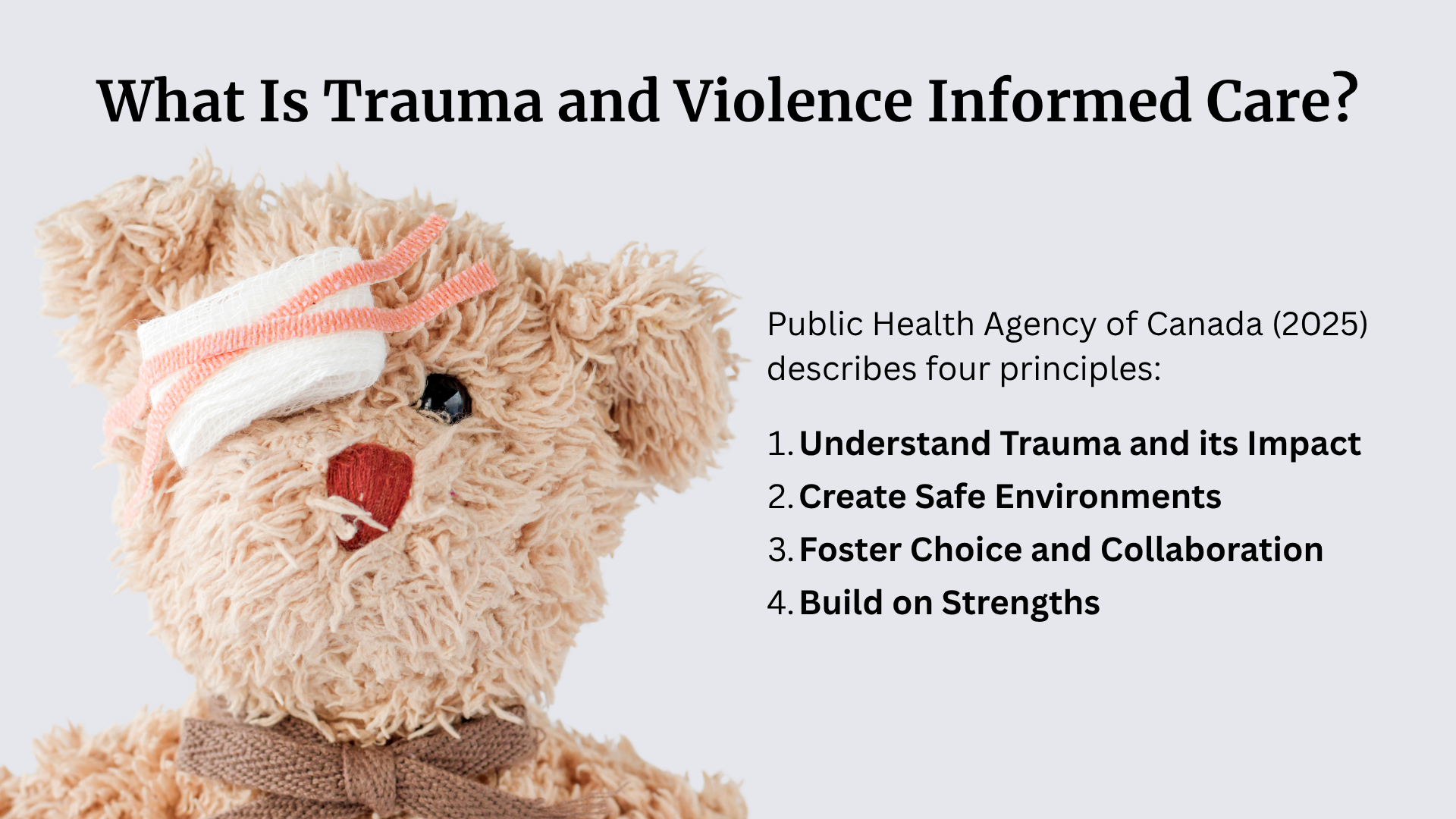
Trauma and violence informed care aims not to treat trauma but to avoid causing further harm to every patient, whether or not their history is known (Public Health Agency of Canada, 2025).
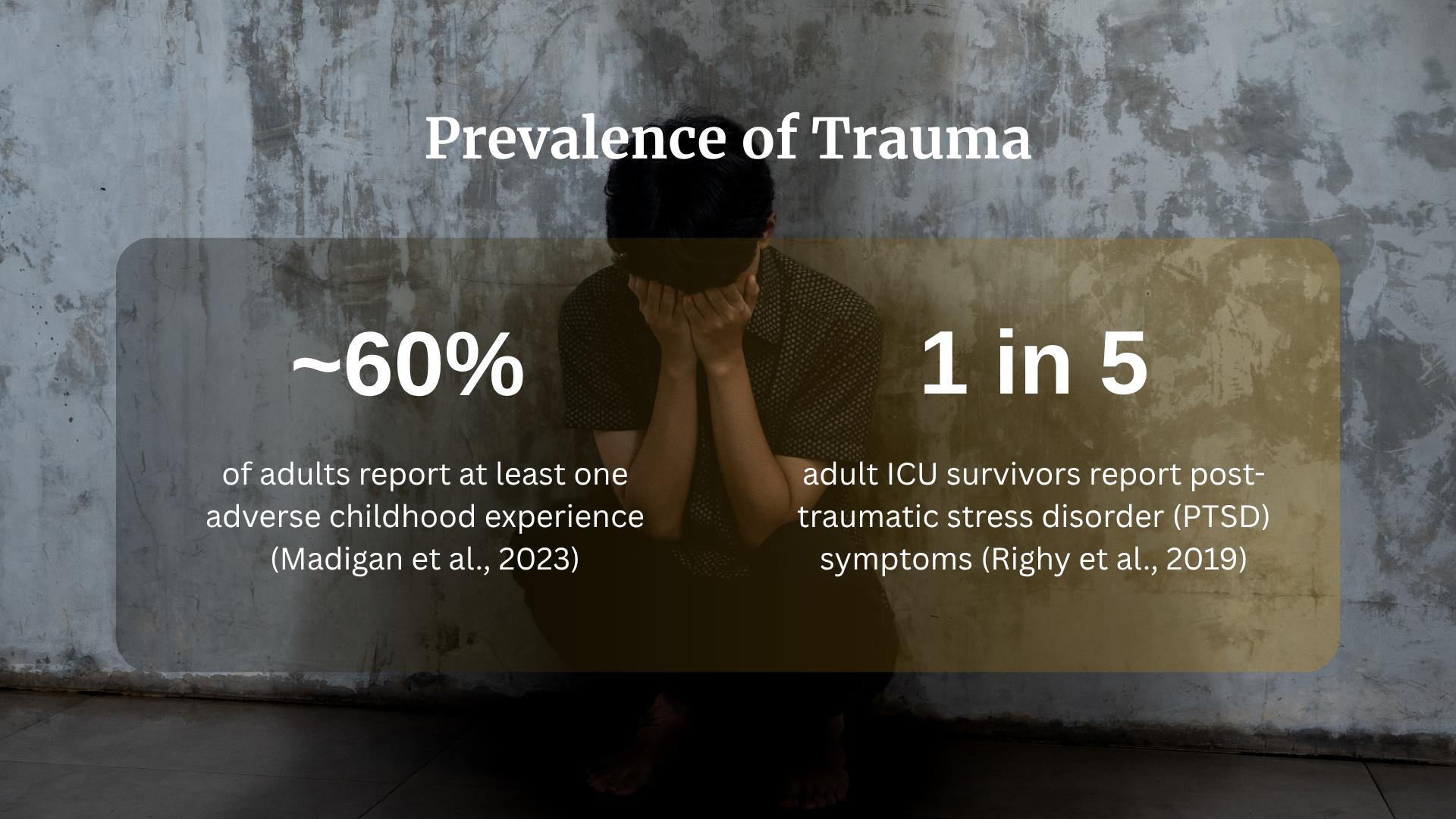
Trauma is invisible and its prevalence often goes unnoticed. Past trauma can often resurface during times of vulnerability, such as when suffering from an acute or chronic illness.
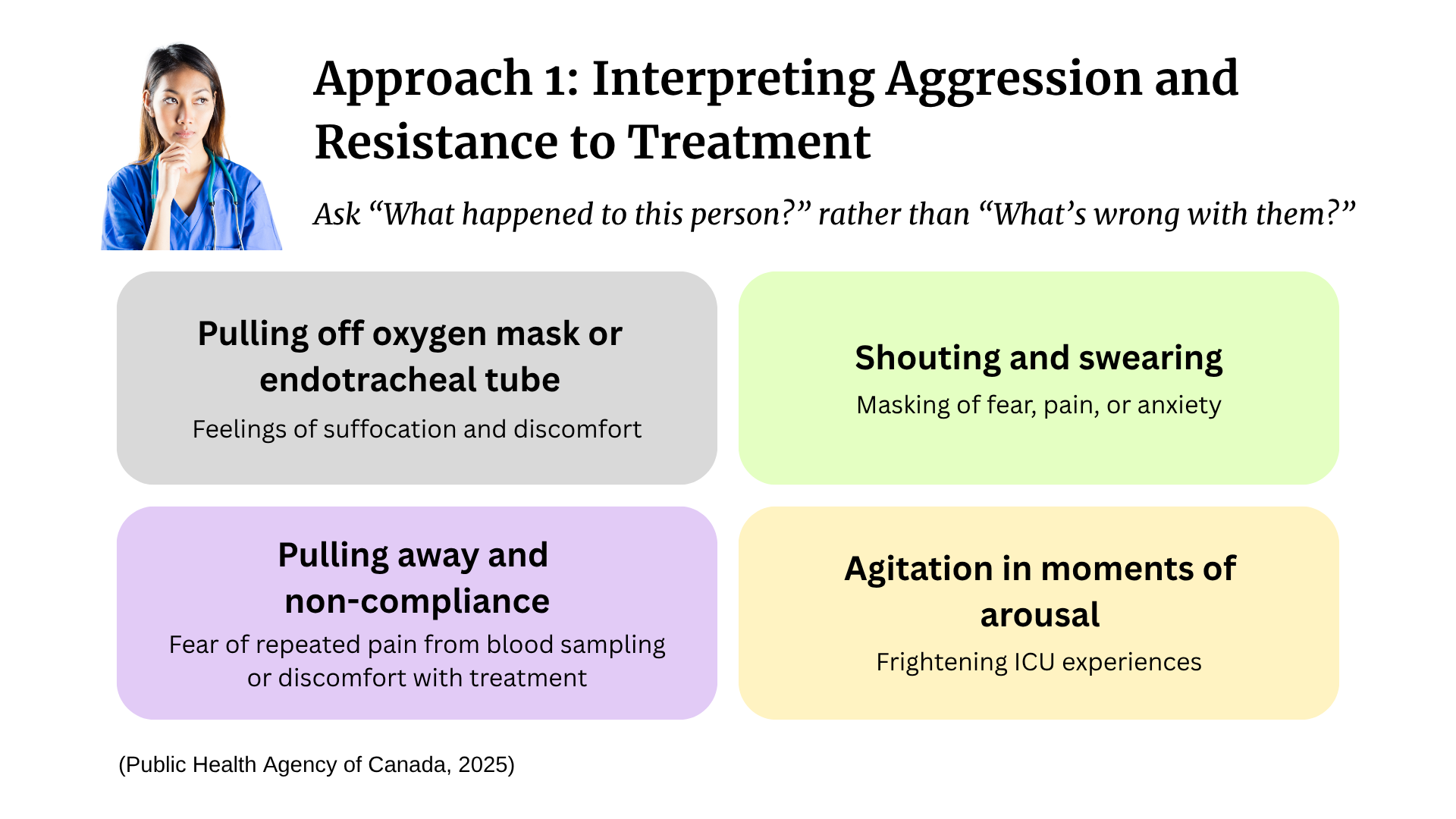
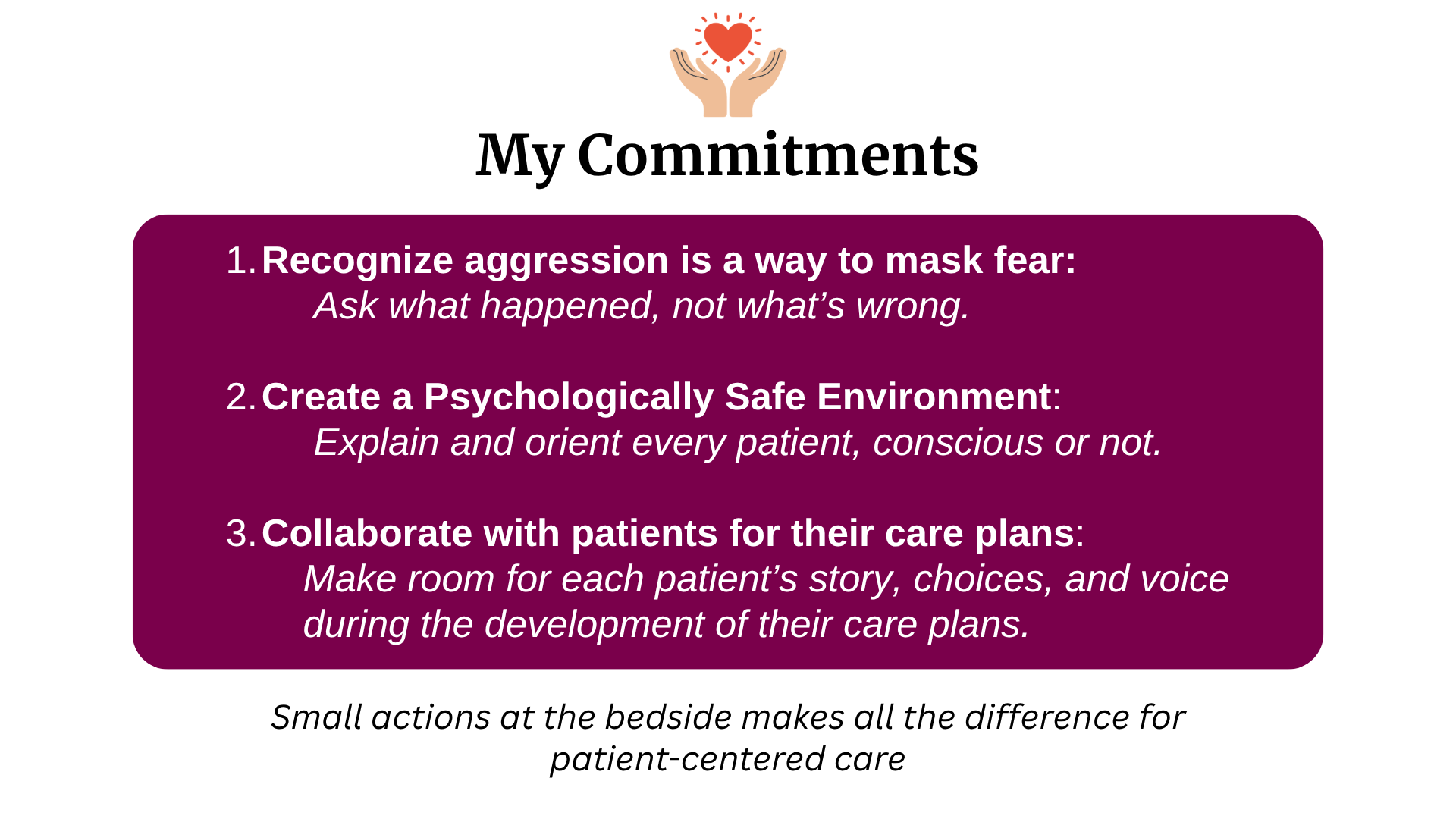
Public Health Agency of Canada (2025) cautions that dismissing such reactions can re-traumatize patients and further provoke a fight-or-flight response. Clinicians are encouraged to practice patient-centered care with an empathic approach. For example, when a patient with chronic obstructive pulmonary disease is not using their inhalers, asking what gets in the way is more useful than labelling them non-compliant.
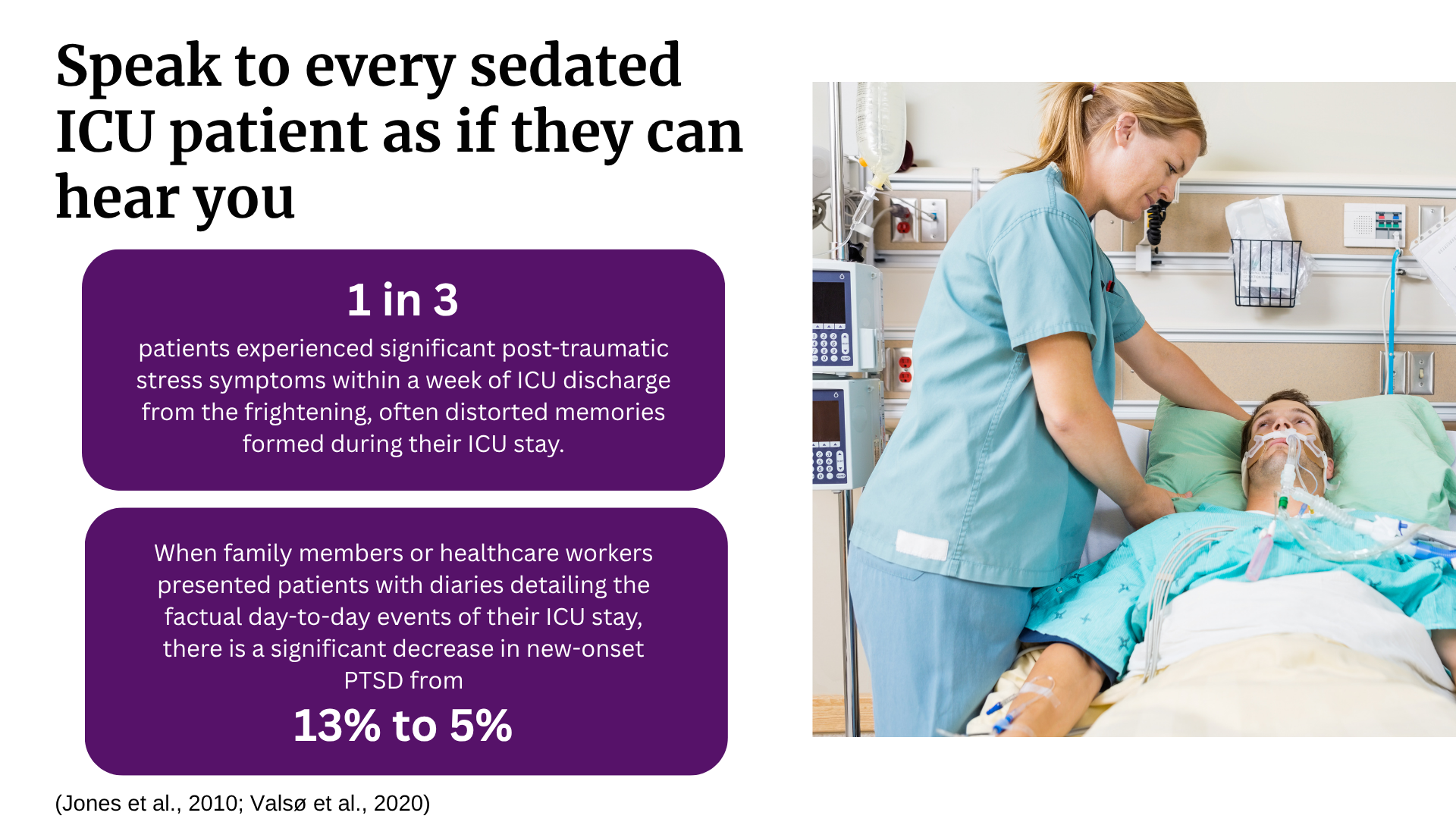
Orienting patients and explaining procedures may help them distinguish what is real (Ro, 2024). Examples of such practice include: explaining each step before physical examination or administration of treatment; keeping a calm tone at all times; offering control with an agreed stop signal for intubated patients who are unable to speak. These practices extend to patients who are heavily sedated as research shows many have some recollection of events that happened while they were seemingly unconscious.
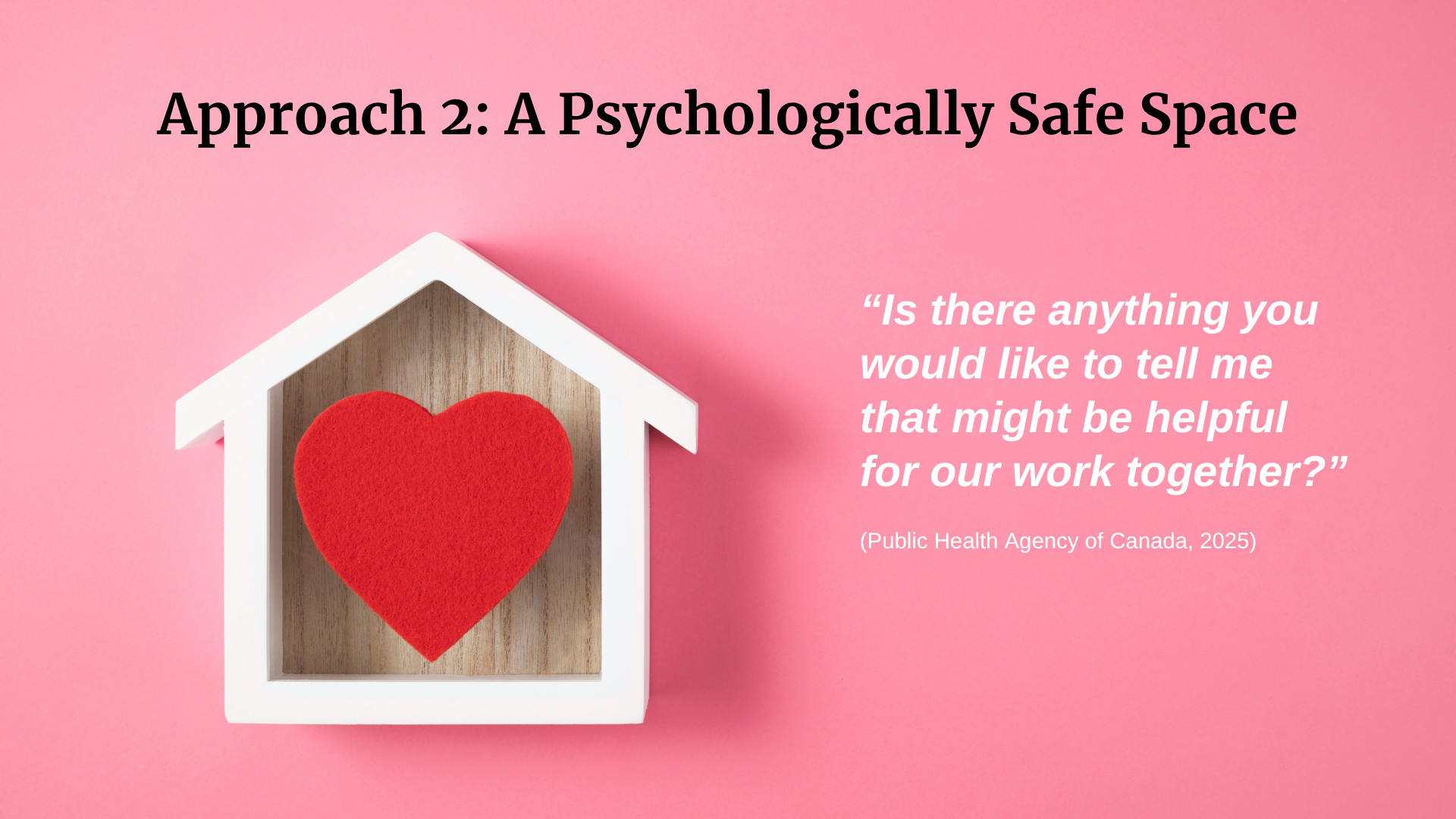
Because adverse childhood experience scores cannot predict individual outcomes (Anda et al., 2020), healthcare professionals should avoid assumptions about a patient’s history. Patients can be invited to share their own account and care plans are then developed with patients rather than for them (Public Health Agency of Canada, 2025).
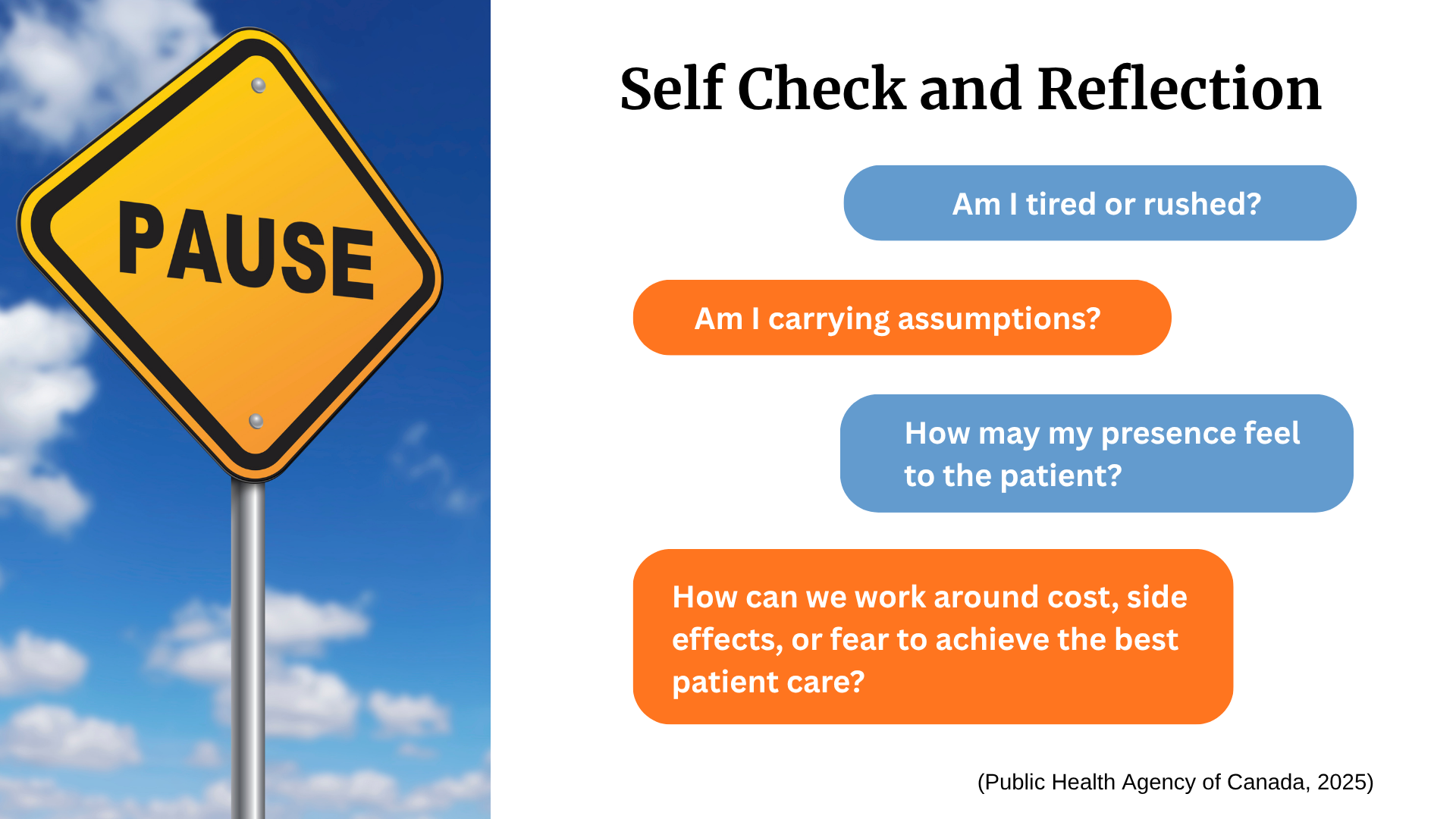
Self-reflection is the step most easily omitted during a busy shift and can be very difficult to bring to practice on a daily basis for a healthcare worker suffering from burnout. Thus, Public Health Agency of Canada (2025) also emphasizes on attending to provider mental well-being.
References
Anda, R. F., Porter, L. E., & Brown, D. W. (2020). Inside the adverse childhood experience score: Strengths, limitations, and misapplications. American Journal of Preventive Medicine, 59(2), 293–295. https://doi.org/10.1016/j.amepre.2020.01.009
Jones, C., Bäckman, C., Capuzzo, M., Egerod, I., Flaatten, H., Granja, C., Rylander, C., Griffiths, R. D., & RACHEL group. (2010). Intensive care diaries reduce new onset post traumatic stress disorder following critical illness: A randomised, controlled trial. Critical Care, 14(5), Article R168. https://doi.org/10.1186/cc9260
Madigan, S., Deneault, A.-A., Racine, N., Park, J., Thiemann, R., Zhu, J., Dimitropoulos, G., Williamson, T., Fearon, P., Cénat, J. M., McDonald, S., Devereux, C., & Neville, R. D. (2023). Adverse childhood experiences: A meta-analysis of prevalence and moderators among half a million adults in 206 studies. World Psychiatry, 22(3), 463–471. https://doi.org/10.1002/wps.21122
Public Health Agency of Canada. (2025, August 7). Trauma and violence-informed approaches to policy and practice. https://www.canada.ca/en/public-health/services/publications/health-risks-safety/trauma-violence-informed-approaches-policy-practice.html
Righy, C., Rosa, R. G., da Silva, R. T. A., Kochhann, R., Migliavaca, C. B., Robinson, C. C., Teche, S. P., Teixeira, C., Bozza, F. A., & Falavigna, M. (2019). Prevalence of post-traumatic stress disorder symptoms in adult critical care survivors: A systematic review and meta-analysis. Critical Care, 23(1), Article 213. https://doi.org/10.1186/s13054-019-2489-3
Ro, C. (2024, February 26). A tooth examination can be terrifying for victims of rape and assault. These dentists want to help them. BBC. https://www.bbc.com/future/article/20240226-how-dentistry-is-becoming-safer-for-survivors-of-trauma-and-assault
Valsø, Å., Rustøen, T., Skogstad, L., Schou-Bredal, I., Ekeberg, Ø., Småstuen, M. C., Myhren, H., Sunde, K., & Tøien, K. (2020). Post-traumatic stress symptoms and sense of coherence in proximity to intensive care unit discharge. Nursing in Critical Care, 25(2), 117–125. https://doi.org/10.1111/nicc.12466
Images used are sourced from Canva Pro’s stock image library and are for illustration only. Persons appearing in photographs shown are models.